
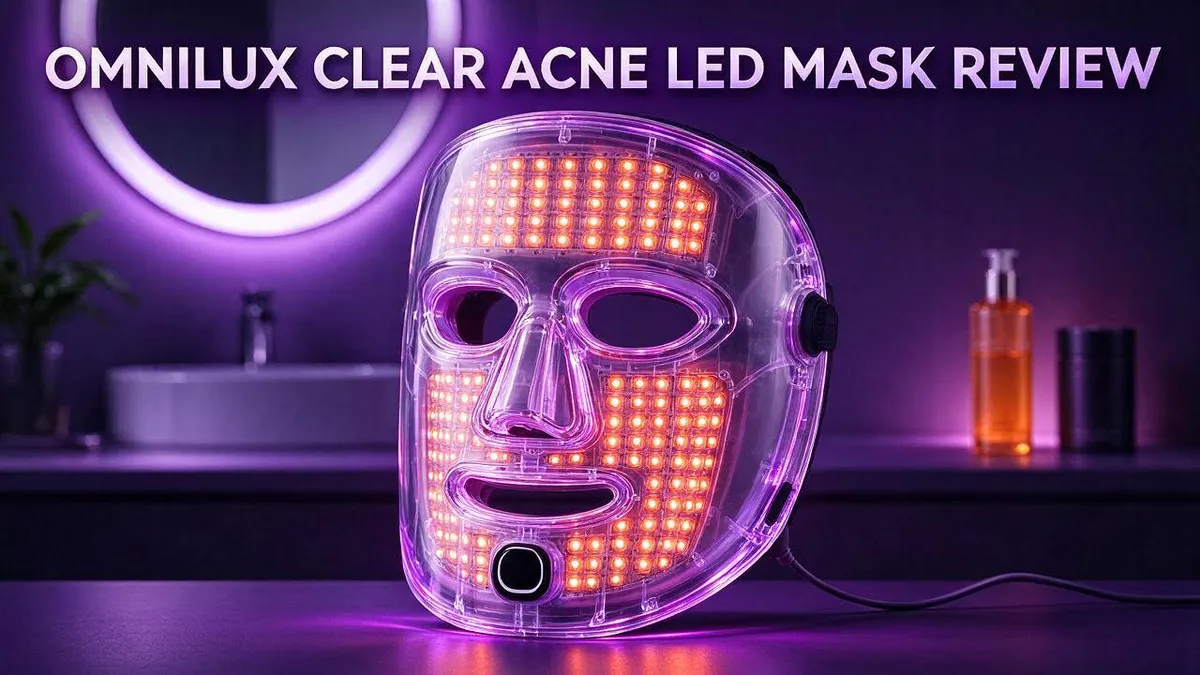
Omnilux Clear Acne LED Mask Review 2026: Value for Money?
Tired of breakouts that never seem to leave? You are not alone. Many people look for a simple way to calm their skin at home, and LED masks have become a popular choice.
The Omnilux Clear Acne LED Mask is one of the most talked about options. It combines 415nm blue light with 633nm red light. The FDA has cleared it for mild to moderate acne.
Many users hope for fewer blemishes, less redness, and calmer skin. The brand claims it may help clear breakouts faster and soften the look of acne scars. Still, one Reddit user said it “isn’t very comfortable,” so comfort is worth thinking about.
In this review, you will see how the mask works, what it feels like, and who it suits best. Let’s take a closer look.
In a Nutshell
- Two light colors: The mask combines 415nm blue light with 633nm red light in one device.
- FDA cleared: The mask holds FDA clearance for mild to moderate acne, which gives shoppers an official safety and use signal.
- Main claims: The brand says it reduces active acne, blemishes, redness, and inflammation.
- Faster clearing: Many people hope for quicker results, and the brand claims it helps breakouts clear faster.
- Scar support: The mask may help soften the look of acne scarring over time.
- Natural approach: The brand describes the mask as all natural, which appeals to people who want gentler options. Still, one Reddit user says it isn’t very comfortable, so comfort may vary from person to person. The research lists no formal cons.
Light Technology and Wavelengths

- RED LIGHT THERAPY MASK: CryoGlow is an at-home LED face mask combining red, blue & deep infrared light with under-eye cooling to target fine lines and acne, firm skin & refresh tired under eyes.
- MOST AWARDED LED MASK IN THE U.S.*: Real people. Real results. Clinically tested on 119 participants by an independent third party & FDA-cleared for results you can see. *Based on the total number of editorial awards issued for skincare by beauty media publications in the U.S. for CryoGlow in 2025.

Last update on 2026-11-21 / Affiliate links / Images from Amazon Product Advertising API Some of the links on this website are affiliate links, which means that at no additional cost to you, I earn a commission if you click through and make a purchase. I only recommend products and services that I believe will add value to my readers. Thank you for your support!
Light therapy uses specific colors to affect the skin. Each color reaches a different depth and triggers a different response.
Wavelength describes the distance between light waves. Shorter wavelengths carry more energy, while longer wavelengths reach further into tissue. This is why each color behaves differently.
Blue light works on the surface layers. It targets Cutibacterium acnes, the bacteria that live inside clogged pores and fuel breakouts.
Porphyrins inside these bacteria absorb blue light. This process creates reactive molecules that break down the bacteria.
Red light travels deeper into the skin. It reaches the dermis, where collagen and blood vessels live.
Red light also supports the skin’s natural repair process. Cells absorb the light and produce more energy to help heal tissue.
Scientists call this process photobiomodulation. The term describes how light changes cell activity without harsh chemicals or peeling.
How much light reaches the deeper layers depends on the skin itself. Pigments and water in the skin can affect absorption.
Why does this combination matter? Acne often involves both bacteria and inflammation. Two colors can address both problems together.
Think of it as a simple two part approach. One color calms the bacteria, while the other supports healing and calmer skin.
Timing plays a major role in results. Light therapy usually needs regular sessions over several weeks before changes become visible.
Consistency matters more than intensity. Skipping sessions can slow progress, so a steady routine works best.
Skin type and breakout severity also shape your experience. Some people notice changes sooner than others.
Many users ask whether light feels uncomfortable. Most describe a gentle warmth or no sensation at all.
Light therapy does not replace medical care. Anyone with severe or painful acne should speak with a dermatologist first.
Comfort and Fit
Comfort matters just as much as results. A mask that feels awkward often ends up unused in a drawer. This section looks at how the Omnilux Clear Acne LED Mask feels on the face during real use.
Some reviewers say the mask does not always feel cozy. One Reddit user wrote that it “isn’t very comfortable.” That comment is worth keeping in mind before you decide.
Fit starts with the shape of your face. Light masks often work best on people with fairly even cheeks and jaws. If your face has sharp angles, you may notice small gaps near the nose or chin.
Gaps matter because light needs close contact with the skin. Loose spots can reduce how much light reaches the target area. Good contact also keeps each session consistent from start to finish.
Think about your glasses too. Many people who wear glasses find it hard to position a mask comfortably over their frames. Check whether the eye openings and padding leave enough room for your lenses.
Weight can change how a mask feels over time. A heavier device may press on the forehead after ten or fifteen minutes. Lighter designs usually feel easier during longer sessions.
Heat is another comfort factor to watch. Some LED devices feel warm against the skin during use. Mild warmth is normal, but it should never feel painful. If it does, stop the session and check the settings.
Sensitive skin needs extra care. Start with short sessions to see how your face responds. Watch for stinging, flushing that lasts, or new irritation, and stop use if any of these signs appear.
Strap adjustment also affects comfort. A secure strap keeps the mask steady without pulling on your hair or ears. Test the fit while sitting and while lying down, since your face shifts in each position.
A short trial run helps you decide. Wear the mask for a few minutes in front of a mirror. Notice whether your jaw feels tight or your eyes feel pressed. A quick check now can save frustration later.
Results and Effectiveness
Many people want to know how fast this mask works. Results can differ from person to person. Most users need several weeks of steady use before they notice clear change.
Patience matters more than speed. Skin cells take weeks to renew themselves. Short sessions done most days often beat long sessions done only now and then.
Breakouts and scars respond on different timelines. Calmer skin and fewer new spots may appear first. Fading marks usually take longer, sometimes several months.
Set one clear goal before you start. You might want fewer breakouts along the jaw or less redness after a workout. A specific goal makes it easier to judge progress honestly.
Track your progress so you do not rely on memory. Take photos in the same lighting once a week. Write down how often you use the mask and any changes you notice. Photos help you spot small shifts that are easy to miss in the mirror.
Photos also protect you from judging results after one bad day. Skin changes from day to day. A weekly record shows the real trend over time.
Change one thing at a time when you can. If you add a new cleanser or moisturizer during the same weeks, you will not know which change made the difference. Slow changes make your results easier to read.
Keep expectations realistic. Most of the claims come from the brand itself. Reading real user experiences alongside those claims gives you a fuller picture.
Severe acne needs more than a home device. Deep, painful breakouts often need a dermatologist. A mask can support a treatment plan, but it should not replace medical advice.
If nothing improves after about eight to twelve weeks of consistent use, talk with a skin specialist. They can check whether another approach suits your skin better.
Other habits also shape your results. Gentle cleansing, daily sun protection, and good sleep all support healthier skin. Pairing the mask with these habits gives you the best chance of seeing lasting change.
Top 3 Alternatives
Looking for another option? These three masks work well for many people with breakouts. Each one has its own strengths.
CurrentBody LED Mask

- The CurrentBody Series 2 Face Mask is an LED mask for at home use for treating wrinkle reduction. Upgraded light coverage provides a healthier, brighter and smoother complexion.
- An all-new, exclusive layout of 236 LED bulbs emits three clinically recognised wavelengths: red (633nm), near-infrared (830nm) and new deep near-infrared (1072nm).
Last update on 2026-11-21 / Affiliate links / Images from Amazon Product Advertising API Some of the links on this website are affiliate links, which means that at no additional cost to you, I earn a commission if you click through and make a purchase. I only recommend products and services that I believe will add value to my readers. Thank you for your support!
This mask uses red and near-infrared light to support clearer skin. It is easy to use at home, and sessions usually take about ten minutes. Its soft, flexible design fits the face well.
Users often notice smoother texture after regular use. Clean the mask gently before each session for the best results.
SpectraLite FaceWare Pro

- WHAT IT IS: This LED device for the face targets wrinkles and acne for visibly smoother, clearer skin in just 3 minutes. It helps boost collagen, fight acne, smooth wrinkles & diminish dark spots. Dermatologist-developed and FDA cleared.
- HOW IT WORKS: Treat acne and breakouts with blue light, smooth wrinkles and build collagen with red light, or address both acne and aging using both lights at the same time—all in one easy-to-use full-face design you can wear on its own.
Last update on 2026-11-21 / Affiliate links / Images from Amazon Product Advertising API Some of the links on this website are affiliate links, which means that at no additional cost to you, I earn a commission if you click through and make a purchase. I only recommend products and services that I believe will add value to my readers. Thank you for your support!
This mask combines blue light for breakouts with red light for overall skin tone. The lightweight build feels comfortable during longer sessions. You can even use it while you relax on the couch.
Pick this option if you want a device with a few light settings. Pair it with a gentle cleanser for the best results.
Neutrogena Light Therapy Mask

- RECHARGEABLE ACTIVATOR OR POWER PACK **WITHOUT 30 USE LIMIT**: Use it as many times as you want, whenever you want. You deserve to look good and feel good.
- DEEP DOWN INSIDE YOU KNOW DUMPING ACTIVATORS AFTER 30 USES IS CRAZY AND WRONG: No more anger and guilt. You can impress people with your amazing skin without destroying the planet.
Last update on 2026-11-21 / Affiliate links / Images from Amazon Product Advertising API Some of the links on this website are affiliate links, which means that at no additional cost to you, I earn a commission if you click through and make a purchase. I only recommend products and services that I believe will add value to my readers. Thank you for your support!
This mask comes from a brand many people already trust for skincare. It features blue light designed to target acne-causing bacteria. Its simple controls make it a good choice for beginners.
Start with short sessions and increase the time as your skin adjusts. Your skin often responds best to steady, gentle routines.
Choose the mask that fits your skin goals and daily schedule. Talk with a dermatologist if your breakouts are severe or persistent.
Skin Types and Suitability
Who gets the most from this mask? People with mild to moderate acne are the main target group. The light suits everyday breakouts far better than large areas of severe acne.
Oily skin often responds well to this approach. Excess oil gives bacteria a place to grow. Blue light works on the surface, so it fits oily skin that breaks out often.
Dry skin needs extra support. Light therapy does not add moisture to your face. Pair each session with a gentle moisturizer, and watch for flaky or tight patches.
Combination skin can use the mask in a targeted way. Some zones, like the forehead or chin, may break out while the cheeks stay clear. Focus the light on the problem areas first.
Skin tone also matters. The research does not describe how the mask performs across every tone. If you have darker skin, ask a dermatologist about possible color changes before you start.
Scars need a realistic view. The mask claims to soften the look of acne scarring. Deep or raised scars may change less than flat marks, so set goals that match your skin.
Whiteheads and small red bumps are a good match for this light. Blackheads may need extra exfoliation, so a separate routine can help. Know which type you have before you expect results.
Hormone driven breakouts often return along the jaw and chin. Light may help clear current spots, but it may not stop the hormone cycle. Many people combine this device with a steady skincare routine.
Teens and adults both deal with acne. Younger users should have an adult guide the first sessions. That simple step keeps the process safe and easy to follow.
Pregnancy, certain medicines, and some skin treatments can change how your skin reacts. Check with your doctor before you start. Caution keeps your skin safe.
Ask yourself one simple question. Do your breakouts come in short waves, or do they stay constant? Your answer shows whether this mask fits your routine.
Pros and Cons
Pros
- The mask pairs 415nm blue light with 633nm red light in one device.
- It holds FDA clearance for mild to moderate acne.
- It may calm redness and inflammation around breakouts.
- The brand describes the light approach as all natural.
- It may help soften the look of acne scars.
Cons
- The research does not list any official drawbacks.
- One Reddit user said the mask isn’t very comfortable.
- Scar softening claims need more independent proof.
- Most of the praise comes from the brand, so check outside reviews too.
Who Should Buy It
Some people will get more from this mask than others. The best buyer has a clear goal and enough patience to stick with it.
Makeup wearers often ask when a device fits into their day. You can run a session before foundation, so your base goes on smoothly.
People who avoid daily pills may prefer a light based option. This mask gives them that choice, but it does not replace medical advice.
Busy adults can fit a short session into a quiet moment at home. The habit feels easier to keep when it takes only a few minutes.
Gadget skeptics may find the mask strange at first. If you dislike wearing gear on your face, start slowly and notice how your skin responds.
Frequent skin checkers may feel frustrated by slow changes. Calm consistency usually works better than daily inspection.
Anyone with light sensitivity should ask a doctor before starting. Eye concerns also deserve a professional opinion first.
Shoppers with a big event coming up should look for faster fixes. This device works on a gradual schedule, so plan ahead.
Teens with mild breakouts may enjoy a simple tool. A parent can help them set a routine and keep expectations steady.
People with a full skincare shelf often wonder where a new device fits. Add it as one extra step, not a replacement for everything else.
Anyone already on a prescription plan should share this device with their doctor first. Mixing treatments without guidance can irritate the skin.
In the end, this mask suits mild acne fans who want a gentle addition to their routine. Compare it with other options before you decide.
Final Verdict
So, is this mask worth your time? For the right person, the answer is yes. It works best as a steady helper, not a quick fix. Think of it as one step in a longer routine.
Patience matters more than anything here. Light treatments rarely deliver overnight changes. Many people judge a device too early and quit before the benefits appear.
Set a simple goal before you start. Take clear photos in the same lighting each week. This habit helps you spot small shifts that your eyes might miss.
Pair the mask with your existing habits. Keep gentle cleansing and daily sunscreen in place. A light device works better when your skin barrier stays healthy.
Comfort deserves a thought too. Some users find the fit less pleasant than expected. Test short sessions first, so you can see how it feels on your face.
Consistency beats intensity every time. Short, regular sessions usually work better than long, rare ones. Add the mask to your calendar so it becomes a habit.
Success looks different for everyone. Some people notice calmer skin first. Others see fewer new bumps while older marks slowly fade.
Who should say yes? Anyone curious about a light treatment can give it a fair try. Just keep your expectations grounded and your timeline realistic.
Who should skip it? Choose another plan if your acne is severe or light tends to irritate your skin. A dermatologist can guide that choice with confidence.
If you want to compare options, look at CurrentBody, Project E, Shark CryoGlow, and the Cleopatra red light mask. Each brand takes a slightly different approach. Compare features like light type, comfort, and ease of use.
Final thought: the Omnilux Clear Acne LED Mask offers a clear, simple tool with real research behind it. Look at a range of opinions before you decide. Your skin will show you whether the mask fits your routine.
Frequently Asked Questions
Can I use the mask with my current acne medicine?
Many people use it with other treatments. Ask your dermatologist first, especially if you take prescription acne medicine. Some topical products can make your skin more sensitive to light.
How will I know if the mask is working?
Take a photo of your skin each week in the same lighting. Side by side pictures show small changes that memory often misses. Also, write down any new breakouts.
Should I use it before or after makeup?
Use the mask on clean, bare skin. Makeup and sunscreen can block the light from reaching your skin. Wait until your face is fully dry before you apply anything else.
How do I clean the mask after each use?
Wipe the light panel and padding with a soft, dry cloth. Let the device dry fully before you store it. Check the included manual for any cleaning steps the maker recommends.
Can I use it if I have sensitive skin?
Start with shorter sessions and watch your skin closely. Stop use if you notice burning, stinging, or a rash. A patch test on a small area first can help you decide if the mask suits you.

Hi, I’m Hannah Foster, a tattoo trend expert and blogger. I’m passionate about body art and love sharing my knowledge and inspiration with others. On Glamour Hub, I’ll be sharing my favorite tattoo designs, trends, and tips. Follow me on Pinterest @Glamourhubblog to stay up-to-date on the latest in tattoo fashion.