
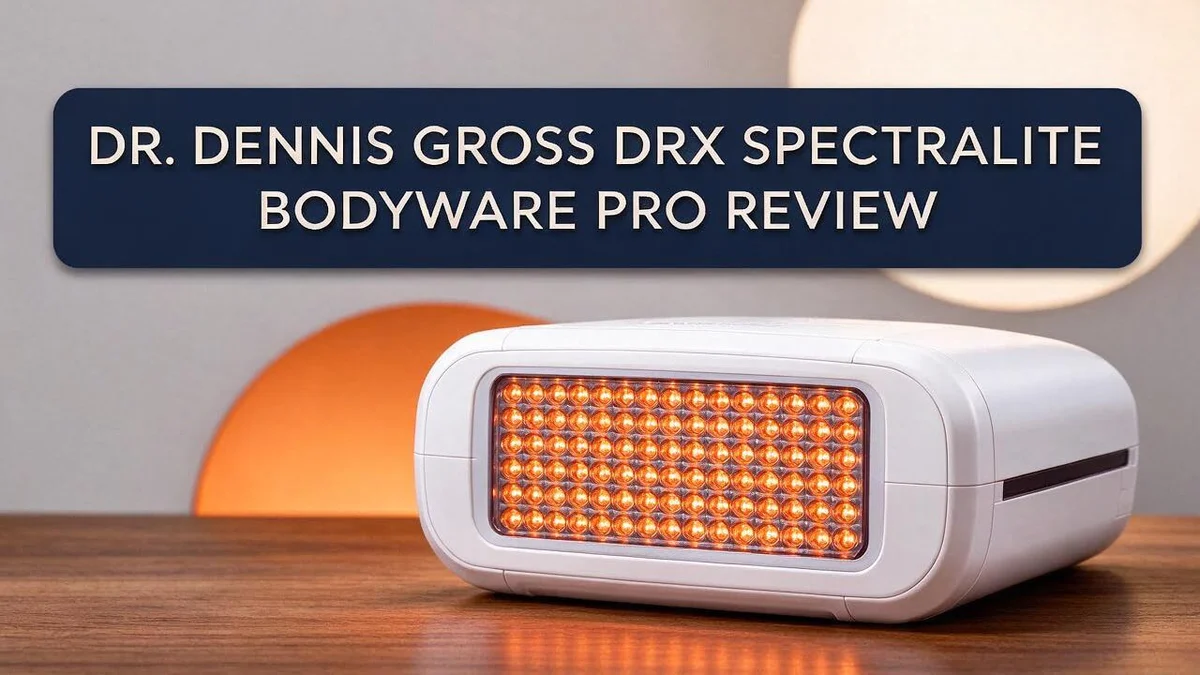
Dr. Dennis Gross DRx SpectraLite BodyWare Pro Review 2026
Are you looking for an easy way to get a brighter, more even complexion at home? Light-based devices have grown popular for good reason. Let’s take a closer look at the Dr. Dennis Gross DRx SpectraLite BodyWare Pro.
One user reported a slightly improved skin glow after four sessions. Their pores looked less visible, and their complexion felt brighter.
Most public feedback focuses on the FaceWare Pro, a related model. Those users shared cleared breakouts, a more even skin tone, and softer fine lines. Still, the BodyWare Pro deserves its own spotlight.
Shoppers often compare this device with the Omnilux and the CurrentBody LED Mask. Each option has its own strengths. In this review, we explain what you can expect, what remains unclear, and whether it fits your routine.
In a Nutshell
- Pore and glow feedback: One user saw slightly improved skin glow after four sessions, with smaller looking pores and a brighter complexion. The product name in that source is unclear.
- Results on a sister model: Users of the FaceWare Pro reported cleared breakouts, a more even skin tone, and fewer fine lines. These results may not apply to the BodyWare Pro.
- Missing specifications: The research does not list the device specs. Check the official product page for details like LED count, light colors, and treatment size.
- Unclear durability: No source answers questions about battery life, LED performance over time, or build quality. Look for recent owner reports on these points.
- Incomplete warning: A March 2026 caveat is cut off, so the full concern is unknown. Read the complete review before you decide.
- Limited product data: Most sources focus on the FaceWare Pro or general comparisons. Direct evidence on the BodyWare Pro is thin.
LED Light Wavelengths and Modes

- WHAT IT IS: This LED device for the face targets wrinkles and acne for visibly smoother, clearer skin in just 3 minutes. It helps boost collagen, fight acne, smooth wrinkles & diminish dark spots. Dermatologist-developed and FDA cleared.
- HOW IT WORKS: Treat acne and breakouts with blue light, smooth wrinkles and build collagen with red light, or address both acne and aging using both lights at the same time—all in one easy-to-use full-face design you can wear on its own.
Last update on 2026-11-21 / Affiliate links / Images from Amazon Product Advertising API Some of the links on this website are affiliate links, which means that at no additional cost to you, I earn a commission if you click through and make a purchase. I only recommend products and services that I believe will add value to my readers. Thank you for your support!
Light is the core of this device, so wavelengths matter. Each color targets a different layer of the skin.
Red light is the most common choice in LED devices. It usually falls between 630 and 660 nanometers. Many people use it for overall tone and texture.
Blue light uses a shorter wavelength, often near 415 nanometers. It works mainly on the surface of the skin. Some people use it for breakout concerns.
Near infrared light uses longer wavelengths, often near 830 nanometers. These waves reach deeper than visible colors. Many brands pair it with red light for a fuller session.
The research does not confirm which wavelengths this model uses. No source lists the colors or the number of LEDs in each color. Buyers should not assume a specific setup without checking.
Modes work differently from wavelengths. A mode is a preset that controls timing, intensity, or which colors turn on together. Some devices offer single color modes. Others combine several colors in one session.
Check the manufacturer label or user manual first. Look for the nanometer range, the LED count for each color, and the recommended session length. These details make it easier to compare this device with other options.
A simple habit helps too. Start with one mode for a few weeks. Write down how your skin looks and feels each week. This gives you a clear picture of what fits your routine.
Always patch test new settings on a small area first. Stop use if redness or irritation appears. Ask a dermatologist before starting if you have sensitive skin or take medicines that raise light sensitivity.
Body Coverage and Wearability
Body coverage matters for anyone who wants more than facial care. Many people also want to treat the neck, chest, or arms. The research does not list the treatment area for this model, so check the manufacturer page for the exact size and shape.
Wearability depends on how the device sits against your skin. A flat panel works well on a flat surface. Curved areas, like shoulders or the back of the neck, may need extra care to keep good contact.
Try a simple test before a full session. Lie down or sit in your usual spot. Hold the device in place for a few minutes. Notice whether it stays steady without your hands.
Weight and grip also shape the experience. Lighter devices feel easier during longer sessions. Heavier units can cause arm strain. The research does not give the weight, so compare the details yourself.
Think about cords and power too. Check whether a cord limits your movement. A short cord may pull you into one position for the whole session.
Comfort on sensitive areas needs attention. Skin on the chest, neck, and inner arms often feels thinner than facial skin. Start with short sessions. Watch for redness, and stop if irritation appears.
Clothing can also affect wearability. Loose fabric may block light from reaching the skin. Wear thin, fitted clothing or remove extra layers before each session.
Body use also needs a clear routine. Pick the same time each week. Mark the areas you treat so you do not skip spots. Consistent use helps you judge changes over time.
Keep your expectations realistic for larger areas. Results seen on the face may not match results on the body. Give each area several weeks before you judge the outcome.
Results and Effectiveness
Results depend on consistency more than anything else. Most LED light therapy routines need regular use over several weeks. Skipping sessions can slow visible progress.
The research includes one user who noticed changes after four sessions. That report is useful, but it is only one experience. Your own timeline may look different.
Track progress with photos. Take pictures in the same lighting, at the same time of day, and from the same angle. Side by side photos reveal subtle shifts that memory often misses.
Skin texture is harder to judge by eye. Run your fingertips across your skin each week. Smoother surfaces or less roughness can signal real progress.
Sun exposure also shapes outcomes. Daily sunscreen protects skin from damage that can undo gains. Good hydration and sleep matter too, since they support how skin repairs itself.
Set realistic goals before you start. Pick one or two targets, such as smoother texture or calmer redness. Narrow goals make results easier to measure and easier to celebrate.
Be cautious with bold promises. The research does not offer clinical trial data for this specific model. Any claim of dramatic change deserves a careful look before you believe it.
Keep a simple log. Write down the date, the session length, and any changes you notice each week. Over time, the log reveals patterns that guide your next steps.
A dermatologist can also help. A skin expert can assess your progress in person. They can tell you whether changes are real and whether your routine suits your skin type.
Results will vary by skin type, age, and starting condition. Give your routine enough time before you judge it. Patience gives you the clearest picture of what this device can do for you.
Top 3 Alternatives
CurrentBody LED Mask

- The CurrentBody Series 2 Face Mask is an LED mask for at home use for treating wrinkle reduction. Upgraded light coverage provides a healthier, brighter and smoother complexion.
- An all-new, exclusive layout of 236 LED bulbs emits three clinically recognised wavelengths: red (633nm), near-infrared (830nm) and new deep near-infrared (1072nm).
Last update on 2026-11-21 / Affiliate links / Images from Amazon Product Advertising API Some of the links on this website are affiliate links, which means that at no additional cost to you, I earn a commission if you click through and make a purchase. I only recommend products and services that I believe will add value to my readers. Thank you for your support!
If you want a full face light therapy device, the CurrentBody LED Mask is a strong choice. It uses red and near infrared light to support healthy-looking skin.
The mask sits comfortably on the face. Many people like its flexible design during a session.
It also works well for a simple routine at home. You can use it a few times each week.
Neutrogena Light Therapy Acne Mask

- RECHARGEABLE ACTIVATOR OR POWER PACK **WITHOUT 30 USE LIMIT**: Use it as many times as you want, whenever you want. You deserve to look good and feel good.
- DEEP DOWN INSIDE YOU KNOW DUMPING ACTIVATORS AFTER 30 USES IS CRAZY AND WRONG: No more anger and guilt. You can impress people with your amazing skin without destroying the planet.
Last update on 2026-11-21 / Affiliate links / Images from Amazon Product Advertising API Some of the links on this website are affiliate links, which means that at no additional cost to you, I earn a commission if you click through and make a purchase. I only recommend products and services that I believe will add value to my readers. Thank you for your support!
Looking for a mask focused on breakouts? The Neutrogena Light Therapy Acne Mask uses blue light to target acne-causing bacteria. It also offers a red light setting to help calm redness.
This mask is easy to use. You put it on for a short session, then go on with your day.
Consistent use matters most, so try to stick with your routine.
Tria Blemish Clearing Laser

- FDA-Cleared Clinical Results: Clinically proven wrinkle reduction technology designed for safe and effective at-home use
- Natural Collagen Stimulation: Stimulates natural collagen production for firmer, smoother, and more youthful-looking skin
Last update on 2026-11-21 / Affiliate links / Images from Amazon Product Advertising API Some of the links on this website are affiliate links, which means that at no additional cost to you, I earn a commission if you click through and make a purchase. I only recommend products and services that I believe will add value to my readers. Thank you for your support!
Prefer a handheld tool? The Tria Blemish Clearing Laser is a small device that treats single spots. It uses targeted light to work on individual blemishes rather than the whole face.
This option suits people who deal with occasional breakouts in specific areas. It is a good pick for precise spot care.
Keep your skin clean and follow the directions for the best results.
Ease of Use and Session Routine
Ease of use starts before the first session. Set up a calm spot near a mirror. Keep towels and your phone close, so nothing interrupts you.
Clean skin makes a real difference. Wash your face and pat it dry before you start. Makeup, oils, and leftover serums can block light from reaching the skin.
Many people find evening sessions easier to keep. After cleansing, the skin feels calm. A session then becomes the final step before bed, which helps the habit stick.
Morning sessions work well too. They fit into a quick routine before work. Choose the time that you can repeat most days.
Comfortable positioning matters more than most people expect. Sit in a chair with back support. Rest your arms on a table or your lap for steady contact.
Keep the order of steps the same each time. Start with the forehead, then move to the cheeks and chin. A repeatable pattern makes sessions feel quicker and less confusing.
Use a timer on your phone. Guessing the session length often leads to longer sessions than planned. Check the user manual for the recommended duration first.
Cleaning after each use keeps the device in good shape. Wipe the surface gently with a soft, dry cloth. Let it cool before you store it.
Storage matters more than it seems. A small box or drawer keeps dust and heat away from the device. Place it where you can reach it fast.
Consistency grows from convenience. The easier the setup, the more likely you keep going. Pair the session with a habit you already enjoy, like brushing your teeth.
Take a moment after each session to check the room and the device. Turn off the power and unplug it if needed. This small habit keeps the routine safe and tidy.
The research does not describe the exact setup steps or session length for this model. Read the official guide before your first use, and follow its instructions closely.
Durability and Build Quality
Durability is hard to judge from a short test. The research does not answer the big questions about how this device holds up over time.
Build quality starts with the feel of the housing. Pick it up and check that it feels solid.
Panels should fit tightly with no rattling when you move it. A loose frame can signal weak parts later.
LED function matters most over the long run. LEDs can dim or fail after months of regular use.
The research does not confirm how long the lights stay bright. Dim spots across the panel can signal early wear.
Battery life deserves a close look too. Many owners wonder if the battery still holds a full charge later on.
Test it during the first few weeks. Note how long one full charge lasts so you can compare later.
Compare this model with its main rivals. Omnilux is often described as having more LEDs, which may suggest a different panel design.
The CurrentBody LED Mask is compared directly with this device in several sources.
Review each brand’s build reports before you decide.
A strong warranty often signals that a maker trusts its build.
Read the terms closely. Check whether the warranty covers LEDs, batteries, and the main housing.
Keep your proof of purchase and packaging in case you need a claim.
Clinical data is missing for this specific model. That gap makes owner feedback more valuable.
Look for reviews from people who used the device for six months or more.
Their reports often reveal wear that early reviews miss, such as dim LEDs after many weeks of use.
Set a simple check schedule. Inspect the device once a month.
Look for cracks, loose parts, or dim lights. Write down any changes so you can spot patterns over time. Fix small issues early.
Pros and Cons
Pros
- Pores may look smaller after use, based on one user report.
- Users of the related FaceWare Pro said cleared pop up acne.
- Some FaceWare Pro users noticed a more even skin tone.
- The BodyWare name suggests use beyond the face.
Cons
- The research does not list specs for this model.
- Most sources focus on FaceWare Pro, not this exact device.
- Omnilux is described as having more LEDs.
- The main caveat in the research is cut off, so the full concern stays unclear.
Who Should Buy It
The Dr. Dennis Gross DRx SpectraLite BodyWare Pro suits some people better than others. Your personal goals matter most. Think about what you want from a light device before you commit.
People who are new to at-home light tools often feel at ease with this kind of routine. A simple daily habit helps beginners stick with it. Quick sessions can also fit into a busy schedule.
Busy adults who want a home option may find it useful. It asks for steady effort rather than regular salon visits. That trade can feel worthwhile for many readers.
Readers who enjoy seeing gradual change may like this device. Light treatments usually need several weeks of consistent use before people notice a difference. This is a common pattern for the category, not a promise for this exact model.
Anyone who already follows a skincare plan can add it with ease. It works best when it sits inside a routine you already keep. Changing too many habits at once can make the process feel harder than it needs to be.
Some people want fast, dramatic results. They may feel let down by slow progress. Setting realistic expectations early helps you avoid frustration.
Shoppers who prefer clear data from independent testing should pause here. The available sources mostly describe the sister model, so you may need to gather more details before you decide.
If you dislike keeping a regular routine, this device may not suit you. Consistency drives any result you might see. Honest self-assessment at the start saves time later.
Final Verdict
This is our overall take on the Dr. Dennis Gross DRx SpectraLite BodyWare Pro. The device shows promise, but the evidence is still thin. Most of the praise comes from the FaceWare Pro, a related model.
The bottom line is simple. A light device like this can fit well into a daily routine. However, buyers should know what is missing before they commit.
Key gaps remain. The research does not list the specs. It also does not confirm battery life or how the LEDs perform over time.
Think of this device as a promising option, not a proven winner. Until more independent data appears, expectations should stay modest. Clear results often take weeks of steady use.
Who should consider it? People who like a calm routine with a clear order of steps may enjoy it most. Shoppers who care most about LED count should look at rival options first.
Ask the right questions first. Request the full specs from the seller before buying. Read the return policy closely. Confirm how long the device covers any defects.
Our final recommendation: Treat the BodyWare Pro as a trial, not a long commitment. Start with a short test period, watch your skin closely, and then decide whether to keep it. Your own results matter most.
Skin type plays a role too. Sensitive skin may react differently to daily light exposure, so a patch test or a chat with a dermatologist makes sense. Those with active breakouts should seek advice first.
In short, the BodyWare Pro earns a cautious thumbs up. It offers a simple approach to home light care. Still, the missing details keep this verdict open. Check fresh reviews before you decide, and trust what you see in the mirror.
Keep the verdict flexible. New research can change the picture quickly, so revisit the facts after a few months.
Frequently Asked Questions
How often should I use the device?
Most people use light devices on a regular schedule. Check the usage guide that comes with the device for the exact timing. If you are new, start slowly. Keeping a steady rhythm helps you notice gradual changes.
Can sensitive skin use it?
Sensitive skin may react to new routines. Try a small patch test on your jawline first. Look for redness, itching, or dryness after each session. Stop use if irritation lasts longer than usual. A dermatologist can offer advice for your case.
Should I protect my eyes during treatment?
Yes, protecting your eyes matters with any light device. Keep your eyes closed or use eye guards if the device includes them. Never look directly into the lights.
Who should check with a doctor first?
People who take medicines that increase light sensitivity should speak with a doctor first. Pregnancy can also change how skin responds. Ask a healthcare provider before you start if you have an active skin condition.
How do I clean and store it?
Always unplug the device before you wipe it. Use a soft, dry cloth after each use. Store it in a cool, dry place away from direct sun. Simple care keeps your routine easy and your device ready to use.

Hi, I’m Hannah Foster, a tattoo trend expert and blogger. I’m passionate about body art and love sharing my knowledge and inspiration with others. On Glamour Hub, I’ll be sharing my favorite tattoo designs, trends, and tips. Follow me on Pinterest @Glamourhubblog to stay up-to-date on the latest in tattoo fashion.