
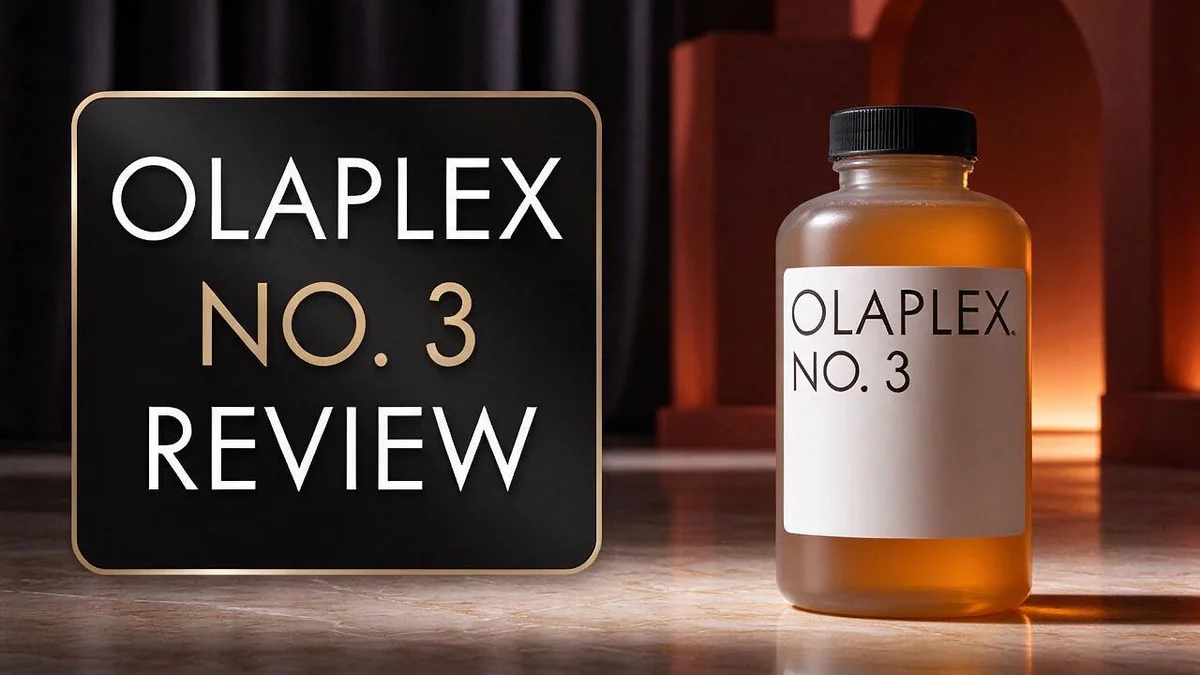
Olaplex No. 3 Review: Does This Really Repair Damaged Hair?
Is your hair breaking every time you brush it? Split ends, frizz, and dull strands can make simple styling feel frustrating. Olaplex No. 3 is one of the most talked about treatments for damaged hair.
It works as an at home bond building treatment that targets the weak spots inside your strands. Many people use it as part of the Olaplex system. You apply it to damp hair for a few minutes before you shampoo.
Users often say their hair feels softer, looks shinier, and tangles less. So, is it worth your time? In this review, we look at how it works, what users report, and who should try it.
In a Nutshell
- Quick use: Apply it to damp hair and leave it on for a few minutes. Then shampoo as usual. It works more like a treatment than a daily conditioner.
- Stronger with a partner: Pairing it with No. 0 showed 68% more repair and 3X stronger hair after one use in 2021 testing. This suggests the full Olaplex system works best together.
- An upgraded option: The No. 3PLUS version claims clinically proven 3X stronger, softer hair. It also rebuilds all 3 hair bonds.
- Fast results reported: One user said fine, blonde hair with color and heat damage looked repaired in about 10 minutes. Results like this suggest it may help hair that gets treated or heated often.
- Firmer ends: Users report ends that feel stronger and less fluffy. Smoother ends can make styling feel easier.
- Alternatives to consider: Revolution Bondblex is often named as a similar option. The Dupe Diary is a tool that helps you find other lookalike products.
Key Ingredients and Bond Science

- Transform damaged hair in just 3 minutes before you shampoo with N°.3PLUS. This hair damage repair treatment is clinically proven to create 3X stronger,* softer hair.** It rebuilds all 3 hair bonds deep in every strand for 360° repair and damage defense—past, present, and future. For all hair types and all types of damage. Fast. Easy. Protein-free and color-safe. Powered by patented OLAPLEX Bond Building Technology.
- KEY BENEFITS ✓ Fast, 3 minute pre-shampoo hair treatment ✓ Immediately softer, stronger hair ✓ Repairs all types of damage in all hair types ✓ Reduces future breakage for length retention over time

Last update on 2026-11-16 / Affiliate links / Images from Amazon Product Advertising API Some of the links on this website are affiliate links, which means that at no additional cost to you, I earn a commission if you click through and make a purchase. I only recommend products and services that I believe will add value to my readers. Thank you for your support!
Every strand holds three types of bonds. Hydrogen bonds, salt bonds, and disulfide bonds give each strand its shape and strength.
Heat styling, bleach, and color can break these bonds. When they break, the hair feels weak and can snap more easily.
The key ingredient in No. 3 is a patented bond builder. Olaplex calls it bis aminopropyl diglycol dimaleate. This ingredient targets broken disulfide bonds and helps them reconnect.
Why does this matter? Damaged hair often feels weak even when it looks fine. Rebuilding the bonds addresses the cause, not just the surface.
Think of it like a bridge over a gap. Broken bonds leave empty spaces inside the hair. The bond builder works like a patch that fills those spaces.
Hydrogen and salt bonds respond differently. They react to water, heat, and pH changes. Weak versions of these bonds can make hair stretch, frizz, or tangle more often.
The science in No. 3 focuses mainly on disulfide bonds. Other products in the Olaplex system may support the rest of the hair structure, so many people use them together.
Results depend on the damage level. Lightly stressed hair may show changes after one use. Severely bleached or heat damaged hair often needs several treatments over time.
Ingredient knowledge helps you set clear goals. You can focus on repair, strength, and daily care. Read the label, follow the directions, and watch how your hair responds over a few weeks.
Texture and Application
When you first open the bottle, you notice a smooth and slightly thick feel. It spreads easily through damp strands without dragging or clumping. This makes it simple to work through the whole head.
Start with towel dried hair. Your hair should feel damp, not soaking wet. Excess water can dilute the product and make it slide off. Gently squeeze out extra moisture before you begin.
Divide your hair into four or five sections. Use a wide tooth comb or your fingers to spread the product from roots to ends. Focus more product on the mid lengths and ends, where damage often builds up.
Work in small amounts. Fine hair may need less product than thick or curly hair. Start with a modest amount and add more only if the strands still feel dry. This keeps your hair from feeling heavy after rinsing.
Hair texture changes how the product sits on each strand. Coarse strands may hold the mixture longer. Fine strands may absorb it quickly, so check the feel often during the wait.
Thick or curly hair often needs gentle detangling before rinsing. Use a wide tooth comb in slow strokes. This helps the product reach the inner layers without causing snags.
Use a timer. Set a phone alarm for the wait time so you do not forget. Leaving it on longer may not add extra benefits, so stick to the timing that feels right for your hair.
After the wait, rinse thoroughly with lukewarm water. Then shampoo as usual. Many people notice the difference in how their hair feels during styling, since the strands move more freely between the fingers.
Pay attention to how your hair responds over several washes. Keep notes on texture, comb glide, and frizz. Small changes add up over time, and these notes help you decide how often to repeat the routine.
Results and Effectiveness
Results can look different from person to person. Some people see change right away. Others need a few uses before they notice a clear shift.
The best way to judge results is to compare your hair in the same light. Take a photo before your first use and another after a few weeks. Side by side photos show changes that memory often misses.
Try the wet stretch test. Take one damp strand and gently pull it. Healthy hair stretches a little and then bounces back. Weak hair may feel stiff or snap. Repeat the test on a different section to compare.
Breakage is often the clearest sign of progress. Check the shower drain and your hairbrush after washing. Less hair loss in those spots suggests the strands hold together better.
Keep in mind that the strongest data comes from the brand itself. The 68 percent repair figure came from 2021 testing that paired No. 3 with No. 0.
Independent reviews and long term studies are limited in the research. Use these numbers as a starting point.
Hair length and past damage matter too. Older ends often hold more damage than new growth. Your results may look uneven at first.
Treatment cannot undo every problem. Split ends that have already separated stay split. A trim removes them and helps the treatment work on healthy hair. Many people pair regular trims with their routine for the best look.
Pick one result to track at a time. Watch softness after drying, or check frizz on a humid day. A single focus makes progress easier to notice.
Give it a fair trial. Stick with the routine for several weeks at a steady pace. Quick changes often fade if you stop early. Note how your hair handles heat styling, like blow drying or curling, because heat tests strength over time.
Top 3 Alternatives
Looking for a strong bond builder for damaged hair? These three options can help. Each one repairs breakage and adds shine. Let us take a closer look.
K18 Hair Mask

- 4-Minute Molecular Hair Repair Treatment: A leave-in peptide hair mask designed to repair and reverse damage at the molecular level for stronger, smoother, more resilient hair in just 4 minutes.
- How It Works: Patented K18PEPTIDE repairs hair at a molecular level to reverse damage from bleach, color, chemical services, and heat*. The biotech-developed peptide mimics and clicks into hair's keratin structure to reconnect polypeptide chains and disulfide bonds for strength along the length + width of hair.
Last update on 2026-06-08 / Affiliate links / Images from Amazon Product Advertising API Some of the links on this website are affiliate links, which means that at no additional cost to you, I earn a commission if you click through and make a purchase. I only recommend products and services that I believe will add value to my readers. Thank you for your support!
K18 Hair Mask works at the molecular level. It repairs broken bonds inside the hair. Many people use it once a week for deep repair. The mask feels light and does not weigh hair down. It suits bleached, colored, or heat styled hair. Your strands feel softer after every use.
Redken Acidic Bonding Concentrate

- Acidic Bonding Conditioner: A vegan, sulfate-free, professional conditioner for all types of damaged hair looking to strengthen hair, reinforce weakened bonds and lessen breakage
- Benefits: All-in-one formula with citric acid and a bonding care complex that repairs strength in damaged hair strands. Provides ultimate hair strength repair, intense conditioning, and hair color fade protection
Last update on 2026-11-16 / Affiliate links / Images from Amazon Product Advertising API Some of the links on this website are affiliate links, which means that at no additional cost to you, I earn a commission if you click through and make a purchase. I only recommend products and services that I believe will add value to my readers. Thank you for your support!
This concentrate helps rebuild weak bonds in your hair. Mix a small amount with your conditioner or apply it on its own. Leave it on for a few minutes before rinsing. Your ends feel stronger and smoother. Stylists often recommend it for chemically treated hair.
Briogeo Don’t Despair Repair

- CLINICALLY PROVEN STRENGTH IN MINUTES: Reduces breakage in 10 minutes and delivers up to 2x stronger hair after three uses for softer, smoother results without heaviness.
- PROTEIN AND MOISTURE BALANCE: Plant proteins with biotin, algae extract, and rosehip, sweet almond, and argan oils help reinforce the hair shaft while delivering rich hydration and silky slip.
Last update on 2026-06-08 / Affiliate links / Images from Amazon Product Advertising API Some of the links on this website are affiliate links, which means that at no additional cost to you, I earn a commission if you click through and make a purchase. I only recommend products and services that I believe will add value to my readers. Thank you for your support!
Briogeo Don’t Despair Repair is a creamy deep conditioning mask. It fights frizz and helps dry, damaged ends look healthy. Your hair smells fresh and feels silky after rinsing. It works well for fine or thick hair. Use it once or twice a week for the best results.
Pick the one that matches your hair needs, and your strands will thank you.
Hair Types and Suitability
Olaplex No. 3 fits a wide range of hair types. Your hair history tells you a lot about how well it fits. Healthy, untreated hair may show very little change.
Blonde and lightened hair often gains the most. Bleach leaves strands dry and fragile. Users with highlights report smoother lengths after treatment.
Color-treated hair can also benefit from this step. Fading shades often make strands look dull and rough. Gentle handling keeps shades looking fresher for longer.
Fine hair shows damage quickly. Strands have less body, so breakage becomes obvious. Lightweight ends may look wispy after repeated processing, which makes gentle care important.
Thick and coarse hair carries more weight and more strands. Damage often hides in the middle lengths, so check those sections carefully.
Curly and coily textures face dryness and tangles. Kinks can trap breakage, which leaves the ends feeling rough. Coily strands also need extra moisture between washes. Follow the treatment with your usual moisturizing routine for the best feel.
Relaxed or straightened hair may carry brittle lengths. Chemical history stacks up over the years. Heat styling adds stress on top of chemical processing. Use this product as a support step, not a complete fix.
Hair porosity matters too. High porosity hair absorbs water quickly and can feel rough. Low porosity hair resists moisture, so the product may sit on the surface. Watch how your strands respond over time.
Who should pause? Very healthy hair with no chemical history may not need extra support. People with scalp irritation should speak with a dermatologist first. Ask a professional about your specific concerns.
Set realistic expectations. Your hair type shapes the results you see. No treatment repairs every concern, so choose options that match your hair story and goals.
Pros and Cons
Pros
- Hair feels softer and easier to manage after use.
- Ends look stronger and less fluffy.
- One user saw repair in about 10 minutes.
- The 3PLUS version claims stronger, softer hair.
- Hair gains a smoother look and feel over time.
Cons
- Many look alike dupes can make choosing hard.
- It needs a separate step before shampooing.
- Most results come from single user reports.
- It is not a regular conditioner, so you may still need one.
Usage Routine and Frequency
Creating a simple routine helps you get the most from Olaplex No. 3. Most people begin with one session each week. Consistency matters more than speed.
Your hair condition sets the pace. Very damaged or heavily lightened strands may welcome an extra session during the first few weeks. Healthier hair usually needs less.
Think of this product as a weekly care step, not a daily habit. Pick one wash day and stick with it. A set schedule makes the routine easy to remember.
Many people find it helpful to set a reminder on their phone. A calendar note works too. This small habit keeps the treatment from slipping off your list.
Plan around other hair services as well. Schedule your session a few days before a salon color appointment. Your colorist can also suggest the best timing for your hair.
Seasonal changes can also shift your routine. Summer swimming, sun exposure, and frequent heat styling often leave hair feeling dry. During these months, you might add an extra session.
Listen to your hair before each session. If strands feel stiff, heavy, or coated, skip a week. Give your hair a short break, then resume when it feels ready.
Keep a simple hair diary. Write down the date, your wash day, and how your hair feels. Over a month, these notes reveal patterns you can trust.
Remember that more is not always better. Extra sessions do not speed up results, and they can make scheduling harder. A steady rhythm usually serves your hair best over time.
Store the bottle where you can see it. A shelf in the shower works well. Easy access makes the step feel natural rather than like a chore.
Your routine should fit your life. Choose a schedule you can keep for months, not just weeks. Sustainable habits give your hair the most support over time.
Who Should Buy It
Some people get more from this treatment than others. Here is a closer look at who may enjoy it most.
Anyone who sees snapping during detangling may benefit. Weak hair bonds often cause that snap, and this step targets those bonds directly.
People who wear tight braids, buns, or ponytails every day also face strain. Constant pulling can weaken strands near the hairline, so a repair step may help them.
Long hair carries years of wear. Strands that grew over many seasons often show more stress. A bond-building step can support that length while new growth comes in.
Fans of a full care system often pair this product with No. 0. Early testing from 2021 showed 68% more repair when both steps were used together.
Clients who visit a stylist often may like this option at home. It can help bridge the gap between salon visits and keep strands in better shape.
Shoppers who enjoy a hands-on wash day ritual often like this product. It asks for a few minutes on damp hair, which suits people who enjoy a calm and steady care habit.
New to hair care? This product works well for beginners who want a clear step to follow. Start slowly and watch how your strands respond over several weeks.
People who feel unsure about their hair’s needs can also use a simple test. Notice how your hair looks after washing, drying, and styling for one full week. Those notes can guide your choice.
Busy people with tight schedules may find this step easy to fit in. Because it works on damp hair, it can slide into an existing shower routine without much extra time.
Your goals and habits decide if this product fits your life. Choose it when your hair shows clear signs of weak bonds, and skip it when your strands feel healthy and strong.
Final Verdict
Our final verdict is clear: Olaplex No. 3 can help damaged hair feel stronger and look smoother. It works by rebuilding the bonds inside each strand. Those bonds often break from bleach, heat, and daily styling.
Think of this product as a repair step, not a cure. Severely broken hair may still need a trim to look its best.
Start by checking your ends. Split and worn ends hold less moisture, so they may respond less. A fresh trim can help the treatment show its full effect.
The research paints a positive picture. Still, much of the praise comes from company testing and personal stories. Read these results with a fair eye.
Ingredient lists matter too. People with sensitive skin or scalp irritation should patch test a small area first. This simple check can prevent surprises.
The research does not list clear downsides. That does not mean everyone will love it. Some hair simply responds in a quieter way.
Who gets the most from it? Blonde and color treated hair often benefits most from this step. People who want a visible change with a simple process often feel satisfied.
Fine hair may need a lighter touch, so watch how it feels after use. Heavier results can weigh strands down.
Consider your goals before you start. If you want to repair breakage from color work, this product fits well. If you want a full overhaul, you may need more steps.
Give your routine time. Judge the product after several wash days, not after one session. Consistent use helps you see the real change.
In short, this product earns a place in many routines. It can leave hair feeling softer and looking more even when used with care.
Frequently Asked Questions
What does Olaplex No. 3 actually do?
This treatment works as a bond building step for damaged hair. Broken bonds inside each strand often lead to breakage, so it helps rebuild them. It is not a regular conditioner.
How long should I leave it on?
Apply it to damp hair and leave it on for a few minutes. Then shampoo as usual. Timing matters, so set a timer.
Can I use it with other Olaplex products?
Yes, it fits into the wider Olaplex system. In 2021 testing, pairing it with No. 0 showed 68% more repair and stronger hair after one use. Always read the label for each step.
Are there other options that work in a similar way?
Some shoppers compare it with Revolution Bondblex, which is often cited as a similar Bond 3 option. Others check the unnamed dupes shared in online discussions. The Dupe Diary is an AI tool that helps you find dupes, but it is not a product.
How soon might I notice a difference?
One user reported repair of fine, blonde, and heat damaged hair in about 10 minutes. Results can vary from person to person. Track how your hair feels each week.

Hi, I’m Hannah Foster, a tattoo trend expert and blogger. I’m passionate about body art and love sharing my knowledge and inspiration with others. On Glamour Hub, I’ll be sharing my favorite tattoo designs, trends, and tips. Follow me on Pinterest @Glamourhubblog to stay up-to-date on the latest in tattoo fashion.