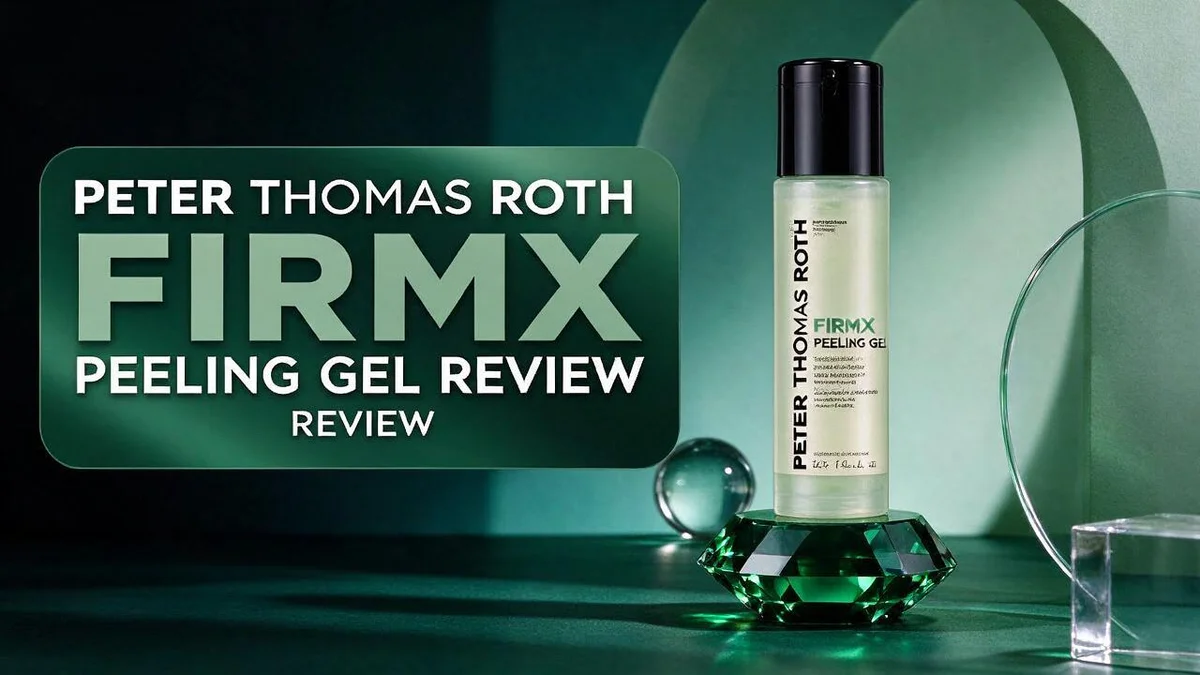
Peter Thomas Roth FirmX Peeling Gel Review 2026: In-Depth Breakdown
Are your pores looking bigger than they should? Dull skin can make even a good routine feel flat. Many people search for a gentle way to refresh their complexion without harsh scrubbing.
Peter Thomas Roth FirmX Peeling Gel gets a lot of attention from skincare fans. It promises smoother texture and a brighter look. But does it really deliver?
In this review, we take a closer look at how this gel works. We cover its main ingredients, how it feels on the skin, and who it suits best. You will also see what results to expect over time.
Quick answer: This gel offers a fresh way to exfoliate at home. Keep reading to see if it fits your skin goals.
In a Nutshell
-
Best for everyday exfoliation: This gel suits adults who want a smoother surface and a brighter look. It works well when your routine feels like it needs a gentle reset.
-
How the texture feels: The peeling gel spreads easily over clean, dry skin. Most people apply a thin layer and let it sit for the time listed on the label.
-
Where it fits in your routine: Use it a few evenings each week after cleansing and before your moisturizer. Using it too often can leave skin feeling tight or irritated.
-
Why sunscreen matters: Exfoliating products can make skin more sensitive to sunlight. Wear a broad spectrum sunscreen every morning so your results last longer.
-
Patch test first: Try a small area on your jawline or inner arm before full use. This simple step helps you spot any redness or stinging early.
-
What to expect over time: Many people notice softer, more even feeling skin after several weeks of steady use. Results build slowly, so consistency matters more than quick fixes.
Key Ingredients
Ingredients decide how this gel behaves on your skin. Every peeling formula depends on a mix of active and supporting ingredients. Reading the label helps you see what each part does.
Most peeling gels rely on exfoliating acids. These acids loosen the bonds between dead skin cells. Your skin can then shed that buildup more easily.
Supporting ingredients play a quieter role. Hydrating agents help keep skin comfortable during use. Botanical extracts may calm mild redness after exfoliation.
Think of the ingredient list as a roadmap. The first few items usually make up the largest share of the formula. Active acids often sit further down the list.
Check the acid strength listed on the packaging. Higher concentrations often bring faster results. They can also cause more irritation, so beginners may prefer a gentler starting point.
Fragrance and alcohol deserve a closer look too. Sensitive skin often reacts to added scents. A simple formula with fewer extras usually feels easier to tolerate.
Look for clear naming on the label. Ingredients listed with their common names make comparisons easier. Clear labels also help you spot potential allergens before you apply the gel.
Formulas can change over time. Brands sometimes update their ingredient lists, so read the label each time you restock. This habit keeps you informed about what touches your face.
Layering needs care as well. Avoid combining this gel with other strong acids or retinoids in the same session. Spacing them across different nights protects your skin barrier and reduces dryness.
Texture and Application
Start with a small amount. A pea sized dab covers most of the face for many people. Using more does not speed up results. It can leave skin feeling tight or irritated.
Gently press the gel onto your face with clean fingertips. Work in small circles across the cheeks, nose, and chin. Skip the eye area and the corners of the lips.
Let it sit for the time on the label. Some formulas need a few minutes to settle. Rinse only when the directions say so. Rinsing too early can reduce the effect.
Notice how your skin responds during the first minute. A light warmth or slight tingling is common. Strong stinging, redness, or burning means you should rinse with cool water right away.
Pat your face dry with a soft towel. Rubbing can cause extra irritation. Wait a short moment before adding serums or moisturizer, so the layers do not mix poorly.
Think about your timing too. Apply the gel on a night you have no plans for the next morning. Your skin may feel more delicate for a day or two.
Check your skin for broken areas before starting. Cuts, sunburn, or fresh waxing spots need time to heal first. Hold off on the gel until the skin feels calm again.
Keep the spot clean and dry. Water left on the skin can dilute the gel. Dry hands also help the product glide more evenly across each area.
Store the tube with the cap closed. Air exposure can change how the gel feels over time. Check the texture before each use. Discard it if the color or smell changes.
Skin Types and Suitability
Oily skin often responds well to a peeling gel. Extra oil can trap dead cells inside pores.
Combination skin can also enjoy this formula. Focus on the nose and chin, where oil tends to build up.
Normal skin usually tolerates regular use with ease. Most people with balanced skin see steady progress.
Dry skin needs more caution with any exfoliant. Flaky patches may feel rough after use, so go slowly.
Sensitive skin deserves extra thought before starting. Redness, stinging, or heat can signal that the gel is too strong.
Mature skin may look dull or uneven over time. This gel can help the surface look smoother and more refreshed.
Skin that breaks out often may need a different approach at first. Active breakouts can become irritated, so wait until the skin calms.
Rosacea and eczema call for a visit to a dermatologist first. Inflamed or cracked areas should avoid any peeling product.
People using retinoids should talk with a doctor before combining products. Stacking strong actives can overwhelm the skin quickly.
Darker skin tones can develop uneven color after irritation. Gentle use protects your complexion over time.
Skin that feels tight after washing should pause first. Tightness often signals a weakened barrier that needs calming care.
Your daily habits shape how the gel performs. Stress, sleep, and climate can all change how skin reacts.
Pregnant or nursing readers should check with a healthcare provider. Some active ingredients may not suit these stages.
Teens and older adults can both use this gel. Each group should watch closely for dryness or redness.
Your skin changes with seasons and age. Reassess suitability every few months to keep choices safe.
Top 3 Alternatives
Dermalogica Daily Microfoliant
This powder exfoliant blends fine rice powder with fruit enzymes.
You mix a small scoop with water to form a soft paste.
It works well as a daily smoothing step.
Many people like that it feels gentle yet effective.
It suits most skin types, including combination skin.
Tatcha Rice Enzyme Powder
Tatcha crafts this powder from Japanese rice bran and enzymes.
When you add water, it turns into a creamy foam.
It gently lifts away dead skin cells and leaves a soft glow.
The formula feels calm on sensitive skin.
You can use it two or three times each week.
Paula’s Choice Skin Perfecting
This liquid exfoliant contains two percent salicylic acid, a BHA.
Salicylic acid moves into pores to clear away oil and buildup.
You apply it with a cotton pad after cleansing.
Regular use can help smooth texture and refine the look of pores.
It works especially well for oily skin or skin that breaks out often.
Results and Effectiveness
Early changes often show up as softer texture. Your skin may feel smoother within the first week. This feeling can be a helpful sign that the gel works.
Visible tone shifts take more time. Dull patches often look more even after several weeks. Patience matters more than speed here.
Keep a simple photo log. Take pictures in the same light each week. Side by side images make small gains easier to spot.
Expect some redness at first. A light flush can appear after the first few uses. This usually fades within a short time. Stop if the redness lingers or stings.
Sun protection protects your progress. Fresh skin can burn more easily during this period. Wear a broad spectrum sunscreen every morning.
Results vary from person to person. Age, sun habits, and skin health all shape the outcome. Some people see clear changes while others see subtle ones.
Realistic goals keep you motivated. Aim for smoother skin and a fresher glow first. Deeper changes, such as fading marks, need longer periods of care.
Watch for changes in how makeup sits. Foundation often blends more evenly on smoother skin. Many users notice this before they see other shifts.
Track results in a notebook. Write down how your skin feels each week. Notes help you spot patterns over time.
Stop and reassess after about eight weeks. If nothing improves, the gel may not suit your skin. A skin specialist can suggest other options.
Pair results with healthy habits. Drinking water and sleeping well support skin repair. Gentle care helps the gel do its job.
Safety and Sensitivity Precautions
Patch testing comes first. Apply a small amount to the inner arm or behind the ear. Wait at least 24 hours before using it on the full face. This simple step shows how your skin reacts to the formula.
Watch the test spot closely for one full day. Look for itching, bumps, or unusual heat. If nothing happens, you can move on with more confidence.
Keep the gel away from sensitive areas. Avoid the eyes, lips, nostrils, and the corners of the mouth. If the gel gets into these spots, rinse with lukewarm water right away.
Skip hot water and steam right after treatment. Hot showers, saunas, and steamers can heat the skin and increase stinging. Choose lukewarm water and wait until your skin feels calm.
Give your skin a break from other actives. Do not layer strong acids, scrubs, or harsh cleansers on the same night. Too many active ingredients at once can overwhelm the skin.
Read the ingredient list closely. If you know you react to certain fragrances, alcohol, or fruit acids, check the label before you buy. Formulas without added scent may suit some people better.
Your past reactions tell you what to avoid.
Pause if the skin feels strange. Burning that lasts longer than a few minutes, swelling, or blisters mean you should stop. Rinse gently and call a doctor if symptoms do not fade.
Ask a doctor if you are pregnant or nursing. Many people feel fine using peeling products during these stages. Still, a medical professional can review your health history and give personal advice. Safety always comes first.
Packaging and Value
Packaging plays a bigger role than many shoppers expect. A sturdy container keeps the gel fresh and shields it from air. Check that the lid seals tightly after every use.
A well shaped opening makes daily use simple. It lets you take a measured amount without mess. Clean edges also mean less product wasted on the counter.
Storage habits matter as much as the container itself. Keep the product in a cool spot away from direct sunlight. Heat can change how a gel feels and performs over time.
Size deserves a moment of thought too. A smaller container suits a short trial. A larger one suits people who plan to use the gel for many weeks.
Travel plans call for extra care. Pack the gel in a sealed bag so leaks stay contained. Keep the lid closed while you move between places.
Recycling rules differ from town to town. Check your local guidelines before you toss the container. Clean packaging helps the environment too.
Look for a batch code or open date printed on the box. Write the open date on the container with a marker. This helps you track freshness.
Shipping boxes can arrive damaged. Inspect the seal and the outer carton right away. Contact the seller if anything looks broken or leaking.
Keep the original box for reference. It often holds batch details and usage notes. Having both in one place saves time later.
A tidy shelf also keeps the gel easy to find. Store it near your other skincare items so the routine stays simple.
Smart packaging helps the product last longer. Good storage keeps the gel working as intended. Choose the size that fits your routine best.
Pros and Cons
Pros
- The gel texture spreads smoothly across the face.
- It fits easily into a nighttime routine.
- It offers exfoliation without harsh scrubbing grains.
- Skin often looks more even and polished over time.
- It pairs well with a daily moisturizer for balance.
Cons
- The tingling can feel strong for some people.
- Not every skin type responds in the same way.
- Some users may want a faster visible change.
- It may feel less comfortable for daytime use.
Who Should Buy It
This gel suits people who feel ready for a gentle step up in their skin routine. Beginners often feel nervous about peeling products, so a clear starting point helps.
Shoppers with rough or dull patches on the forehead, chin, or cheeks may find it useful. These areas often collect dead skin faster than others. Many people notice them first when light hits the face. Regular use may help them look smoother over time.
Busy people also gain from this choice. A short routine fits into a crowded schedule. Fewer steps mean fewer chances to skip care altogether.
Those who dislike complicated instructions also benefit. The directions stay easy to follow for most users.
People who enjoy a weekly ritual may like this approach. Some prefer a set day for deeper care instead of daily treatments. This gel can fit that habit well.
Those who already own a gentle cleanser often adapt with ease. Adding one new product makes it simpler to notice how the skin responds. Small changes are easier to track.
Readers with a clear goal tend to stay consistent. Someone who wants a fresher look for an upcoming event may find the gel helpful. Planning ahead gives the skin time to adjust.
Who should skip it? People with a recent cosmetic procedure should ask a skin doctor first. Active sunburn or broken skin also calls for a pause. Wait until the skin feels calm and healthy again.
Overall, this gel fits curious beginners and steady routine lovers. It serves people with realistic expectations best. Think of it as one helpful tool, not a miracle fix.
Final Verdict
Our final take on the Peter Thomas Roth FirmX Peeling Gel is simple. It works best as a steady habit rather than a quick fix. Most people notice changes slowly, so patience matters.
Think of it as a long game. Small improvements often appear before bigger ones. Keep a simple photo log to track progress. Photos reveal changes that daily mirror checks can miss.
Before you commit, run a short trial. Use it two nights a week for four weeks. Then review how your skin feels in the morning. Notice whether calm days outnumber irritated ones.
Your decision also depends on your goals. If you want a clear, gentle polish for your complexion, this gel fits well.
If you need rapid results for a major event, look elsewhere. Balance expectations with what the formula can realistically offer.
Sunscreen is essential during your trial. Freshly exfoliated skin can burn more easily. Use a daily sunscreen every morning. This step protects the progress you build.
Overall, this gel earns a place for people who value gentle progress. It rewards consistency more than intensity. Give it a fair chance, then judge the results for yourself. Stay patient and enjoy the process.
Ask yourself how much time you can spend on evening care each week. A calm routine tends to last longer than an intense one. Choose the approach you can repeat without stress. Keep the rest of your routine simple.
Finally, trust your own skin notes over online praise. Reviews offer clues, yet your results matter most. Write down what you see after each session. A clear plan keeps you focused on what matters.
Frequently Asked Questions
How can I tell if my skin is ready?
Run a patch test first. Dab a small amount on the jaw and wait one full day. Mild redness is normal, but burning or swelling means you should stop.
Can I use it with other active products?
Use caution with strong acids or retinol in the same routine. Alternate your nights instead of layering them. Your skin needs time to adjust to each product.
What should I do if my skin feels irritated?
Pause the gel for a few days. Use a simple, soothing moisturizer and limit hot water on your face. Restart slowly once your skin feels calm again.
How will I know if it is working?
Take a clear photo in the same light each week. Look for softer texture when you run your fingers over your skin. Written notes often show progress better than memory.
Is it safe for the neck and décolletage?
These areas have thinner skin, so use a smaller amount. Keep the product away from the eyes and lips. Test a small spot first.

Hi, I’m Hannah Foster, a tattoo trend expert and blogger. I’m passionate about body art and love sharing my knowledge and inspiration with others. On Glamour Hub, I’ll be sharing my favorite tattoo designs, trends, and tips. Follow me on Pinterest @Glamourhubblog to stay up-to-date on the latest in tattoo fashion.