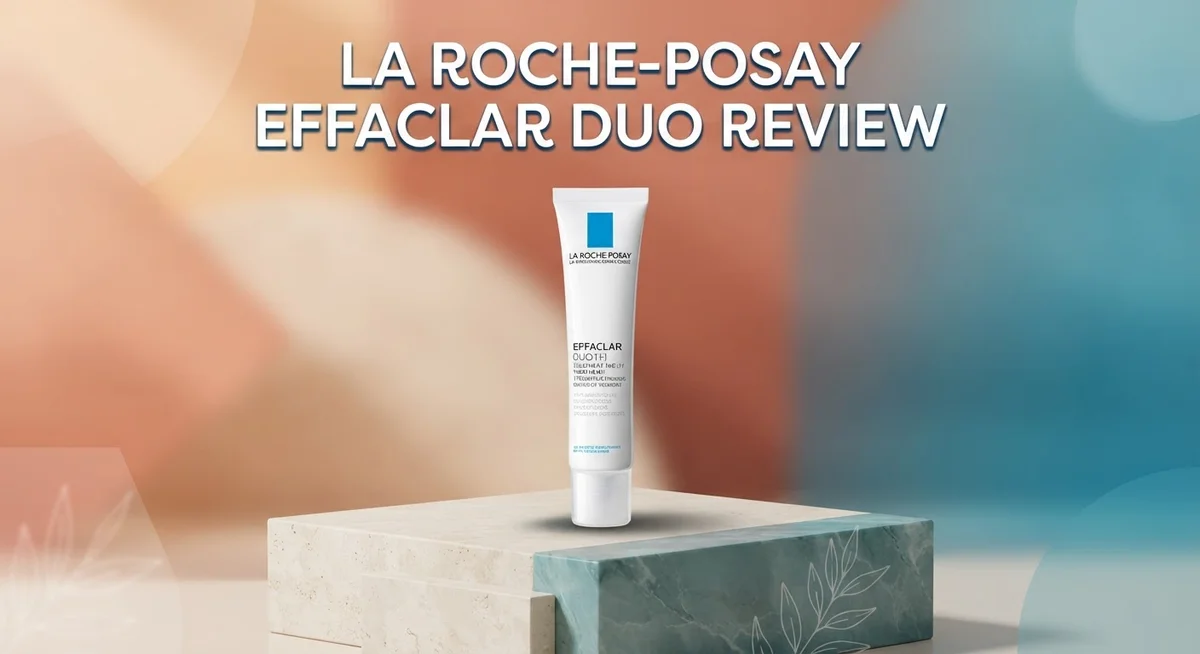
La Roche-Posay Effaclar Duo Review 2026: Complete Guide
Acne breakouts can feel frustrating. You try product after product, but blemishes keep coming back. If this sounds familiar, you are not alone.
La Roche-Posay Effaclar Duo promises a simple fix. This product targets acne, unclogs pores, and fades old acne marks.
It uses strong active ingredients like benzoyl peroxide and salicylic acid. These ingredients work together to clear your skin from different angles.
In a Nutshell
- La Roche-Posay Effaclar Duo works as a multi-target acne formula. It fights blemishes and helps clear clogged pores at the same time.
- The treatment contains benzoyl peroxide and salicylic acid. These ingredients tackle acne from different angles for better results.
- Users notice fewer breakouts over time. Many also see old acne marks fade with regular use.
- You can apply this product all over your face. It does not need to be used as a spot treatment only.
- Dryness is a common side effect. Your skin will likely need a good moisturizer and daily sunscreen to stay balanced.
- Some users feel a burning sensation when they first start using it. This usually happens because benzoyl peroxide can be harsh on sensitive skin.
- The cream version faced reports of discontinuation. Check current availability before you commit to a routine built around it.
- This product sits alongside strong competitors like Good Molecules Azelaic Acid Treatment. We compare these options later in this review.
Key Ingredients and Formula
La Roche-Posay Effaclar Duo works through a smart combination of science-backed ingredients. The cleanser version uses 4% benzoyl peroxide to fight bacteria and clear blocked pores. This concentration is strong enough to make a real difference without being too harsh for most skin types.
The treatment formula (Effaclar DUO+M) includes 0.5% salicylic acid. This beta hydroxy acid penetrates deep into pores and removes dead skin cells that trap bacteria. Together, these two actives create a powerful one two punch against acne.
Beyond the main fighters, the formula also contains niacinamide and glycolic acid. Niacinamide helps calm irritated skin and reduces redness. It also strengthens your skin barrier, which is important when using strong acne fighters. Glycolic acid gently removes surface dead skin, helping other ingredients work better.
La Roche-Posay added their thermal spring water to the mix. This ingredient soothes skin and provides minerals that support healing. The brand designed this formula to target multiple acne problems at once, which is why they call it a multi-target solution.
The formula works best when layered correctly. You apply the cleanser first, then follow with the treatment. This approach lets each ingredient do its job without overwhelming your skin. Many users see fewer breakouts within two to four weeks of consistent use.
One important note: this formula is potent and can be drying. The benzoyl peroxide and salicylic acid both strip moisture from skin. You absolutely need a good moisturizer and daily sunscreen when using this product. Some people experience a burning or tingling sensation at first, especially if they have sensitive skin.
The ingredient list shows La Roche-Posay prioritized effectiveness over gentleness. This makes Effaclar Duo ideal for people with stubborn, active acne. If your skin is easily irritated or already very dry, you might want to start slowly or consider gentler alternatives first.

- Targeted Salicylic Acid Spot Treament for Acne: An acne spot treatment for face that penetrates pores deeply to effectively treat existing acne blemishes & helps prevent new breakouts from forming, ideal for breakouts
- Visible Results in only 8 Hours: Clinically tested to deliver a 44% reduction in blemishes & 66% in blackheads within just 4 weeks. This acne cream for face helps provide visible improvements in as little as 8 hours

Last update on 2026-06-07 / Affiliate links / Images from Amazon Product Advertising API Some of the links on this website are affiliate links, which means that at no additional cost to you, I earn a commission if you click through and make a purchase. I only recommend products and services that I believe will add value to my readers. Thank you for your support!
Texture and Application
The texture of La Roche-Posay Effaclar Duo feels lightweight and absorbs quickly into skin. The treatment comes as a thin lotion that spreads easily across your face without leaving a greasy residue. This makes it ideal if you prefer products that don’t sit heavy on your skin.
When you first apply it, the product feels smooth. You squeeze out a small amount and massage it gently into clean, dry skin. The lotion blends in within seconds. Many users appreciate this fast absorption because it allows them to layer other products on top without waiting long.
Application is straightforward and takes just moments. Start with a pea-sized amount on your fingertips. Warm it slightly between your fingers, then press it onto acne-prone areas or spread it across your entire face. The formula works best on completely dry skin, so wait a few minutes after cleansing before applying.
One thing to know: this product feels potent when it touches your skin. Some users report a slight tingling or warming sensation right after application. This is normal and happens because of the active ingredients working. However, if you experience intense burning or irritation, reduce how often you use it or apply a smaller amount.
The lotion doesn’t leave any visible residue or white cast on your face. This means you can apply makeup over it without issues. Your foundation or concealer will blend smoothly without pilling or separating.
Dryness is the main texture-related concern. After a few days of use, your skin may feel tight or flaky. This happens because benzoyl peroxide and salicylic acid strip away oils. To manage this, always follow up with a good moisturizer. Apply it while your skin is still slightly damp from the treatment. This locks in hydration and prevents uncomfortable tightness.
The texture itself is never the problem. The real challenge is balancing the product’s strength with your skin’s moisture levels. Get this balance right, and the lightweight formula becomes a powerful part of your routine.
Results and Effectiveness
Users report real improvements when they stick with this product consistently. Most see fewer breakouts within the first two weeks of daily use. Some experience complete skin improvement after four to six weeks of regular application.
The blemish-reduction effect comes from the active ingredients working together. Benzoyl peroxide kills acne-causing bacteria on your skin. Salicylic acid penetrates pores and removes dead skin cells that trap bacteria. This combination tackles acne from multiple angles at once.
Beyond stopping new breakouts, many users notice post-acne marks fade over time. Those dark spots or shallow indentations left behind by old pimples become less visible. The glycolic acid in the formula helps by encouraging skin cell turnover. This reveals fresher, clearer skin underneath.
The effectiveness varies based on acne type and severity. People with mild to moderate acne see the best results. Those with cystic acne may need stronger prescription treatments instead. Your skin’s sensitivity also plays a role in how quickly you see improvements.
One reality check: Results come with a trade off. The product works so effectively because it’s potent and drying. Your skin needs extra moisture support to handle the treatment. Without a good moisturizer, dryness can actually worsen acne or cause irritation that cancels out the benefits.
Timing matters too. Don’t expect overnight miracles. Your skin needs time to adjust to the active ingredients. The first week often brings sensitivity or slight irritation. Push past this phase and your skin usually adapts by week two or three.
The product performs best on oily or combination skin types. People with naturally dry skin need to be extra cautious and may see less dramatic results. You can apply it all over your face or use it as a spot treatment on problem areas. Both approaches work depending on your needs.
Most users agree that consistent use delivers the best outcomes. Skipping days or stopping early usually means breakouts return. Stick with it for at least four weeks before deciding if it works for you.
Top 3 Alternatives
Neutrogena Oil-Free Acne Wash

- Acne control facial cleanser: With 2% salicylic acid to help treat and prevent breakouts while cleansing deeply, and removing excess oil and surface buildup
- Deep-pore-cleaning acne wash: Penetrates pores to wash away dirt, oil, and impurities that can clog pores and contribute to acne, leaving skin looking and feeling clean and refreshed after rinsing
Last update on 2026-10-16 / Affiliate links / Images from Amazon Product Advertising API Some of the links on this website are affiliate links, which means that at no additional cost to you, I earn a commission if you click through and make a purchase. I only recommend products and services that I believe will add value to my readers. Thank you for your support!
This cleanser works hard to remove oil and dirt from your skin. It contains salicylic acid, which helps unclog pores and reduce breakouts. Many people with oily, acne-prone skin find this product effective for daily use.
You can use it twice daily as part of your routine. The formula rinses clean and doesn’t leave a heavy residue behind. It’s affordable and widely available at most drugstores.
CeraVe Foaming Facial Cleanser

- [ FOAMING FACE WASH ] Oily skin cleanser dispenses as a clear gel cleanser and transforms into a foam as you lather. Cleanses without leaving skin feeling tight, dry, or stripped. Daily cleanser & makeup remover face wash
- [NON- DRYING FACE CLEANSER] Fragrance-free, non-comedogenic, non-drying, and non-irritating. Gently refreshes and effectively removes excess oil, dirt, and makeup
Last update on 2026-06-12 / Affiliate links / Images from Amazon Product Advertising API Some of the links on this website are affiliate links, which means that at no additional cost to you, I earn a commission if you click through and make a purchase. I only recommend products and services that I believe will add value to my readers. Thank you for your support!
CeraVe focuses on gentle cleansing without stripping your skin. This foaming formula contains ceramides and hyaluronic acid to maintain your skin barrier. It removes excess oil while keeping your skin from drying out completely.
Dermatologists often recommend this cleanser for sensitive or combination skin types. You can use it morning and night without irritation. The formula is fragrance-free and non-comedogenic.
Benzoyl Peroxide Acne Treatment

- One 1-fluid ounce tube of benzoyl peroxide acne medication for the treatment of acne
- Dermatologist tested for Treatment of Acne
Last update on 2026-06-09 / Affiliate links / Images from Amazon Product Advertising API Some of the links on this website are affiliate links, which means that at no additional cost to you, I earn a commission if you click through and make a purchase. I only recommend products and services that I believe will add value to my readers. Thank you for your support!
Benzoyl peroxide is a powerful ingredient that kills acne-causing bacteria. This treatment works best as a spot application on active breakouts. It comes in various strengths, so you can choose what fits your skin’s needs.
Start with a lower concentration if your skin is sensitive. Use it once or twice daily on clean skin. This ingredient can bleach fabrics and hair, so apply it carefully. Many people see results within a few weeks of consistent use.
Each of these alternatives offers different benefits. Choose based on your skin type and sensitivity level.
Skin Types and Suitability
La Roche-Posay Effaclar Duo works best for oily and combination skin types. If your skin produces excess oil or you struggle with clogged pores, this formula aligns well with your needs. The active ingredients target oil-prone areas without feeling heavy.
People with sensitive skin should approach this product carefully. The benzoyl peroxide and salicylic acid combination can trigger irritation during the first week of use. Your skin may feel tight, warm, or experience mild stinging as it adjusts to the treatment.
Acne-prone skin responds positively to this formula. Users with persistent breakouts report fewer blemishes within days. The multi-target approach addresses both active pimples and prevents new ones from forming. This makes it suitable for mild to moderate acne cases.
Dry skin types need extra caution. This product will intensify dryness and may cause flaking or discomfort. If you have dry skin, use it only on acne-prone areas rather than your entire face. Pair it with a heavy moisturizer to counterbalance the drying effects.
Post-acne marks fade over time with consistent use. This benefit appeals to people healing from previous breakouts. The combination of salicylic acid and glycolic acid helps fade dark spots and texture irregularities. Results take several weeks to become visible.
Sensitive skin with active inflammation requires a different approach. The formula’s intensity may overwhelm reactive skin. Start with the lowest frequency (once or twice weekly) and gradually increase if your skin tolerates it well.
Normal skin types can use this product but may not need the full strength. You’ll still see benefits if you experience occasional breakouts or congestion. The formula remains effective at lower concentrations for less severe acne.
Skin barrier damage makes this product unsuitable initially. If your skin feels compromised, irritated, or raw, wait until your barrier recovers before introducing Effaclar Duo. Using it on damaged skin amplifies irritation and prolongs healing time.
The key is matching the product’s intensity to your skin’s tolerance level. Start slow, observe how your skin reacts, and adjust frequency based on your individual response.
Side Effects and Skin Sensitivity
La Roche-Posay Effaclar Duo contains active ingredients that work hard on acne. This means your skin may experience some adjustment when you start using it.
Dryness is the most common side effect users report. Your skin barrier works hard to adapt to benzoyl peroxide and salicylic acid. After the first few applications, you might notice tightness or flaking. This happens because these ingredients strip excess oil from your skin. Pairing this product with a good moisturizer becomes essential, not optional.
Some people feel a burning or tingling sensation when they apply it. This reaction typically fades after your skin acclimates to the formula. If the burning intensifies or spreads, stop use and consult a dermatologist. Initial irritation does not always mean the product won’t work for you.
Your skin type matters significantly here. Sensitive skin users should introduce this product slowly. Start with it two or three times per week, then increase frequency if your skin tolerates it well. Oily and combination skin types usually handle this formula better than dry or reactive skin.
Benzoyl peroxide can cause redness and peeling in the first one to two weeks. This is a normal adjustment phase for many users. Your skin gradually builds tolerance as your barrier strengthens. However, if you experience persistent redness, swelling, or severe itching, discontinue use immediately.
People with compromised skin barriers should avoid this product entirely. If your skin feels raw, irritated, or inflamed from other treatments, wait until your barrier recovers. Layering multiple strong actives increases your risk of side effects significantly.
Sun sensitivity is another consideration. Benzoyl peroxide and salicylic acid make your skin more vulnerable to UV damage. Daily sunscreen becomes non-negotiable when using this product. Skip it on days when you won’t wear protection.
Most users find side effects manageable with proper precautions. The key is patience and realistic expectations. Your skin needs time to adapt. If side effects persist beyond three weeks or worsen, this formula may not suit your skin type. Consulting a dermatologist helps you determine whether to continue or try alternatives.
Pros and Cons
Pros
- Reduces blemishes fast and unclogs pores with active ingredients like benzoyl peroxide and salicylic acid
- Fades post-acne marks over time when you use it consistently
- Works on the entire face, not just spot treatment
- Visible results appear within days for many users with persistent breakouts
- Best suited for oily and combination skin types
Cons
- Causes significant dryness and flaking, so you need a good moisturizer and sunscreen
- Creates burning or tingling sensations for some users, especially in the first one to two weeks
- Benzoyl peroxide can trigger redness and peeling during the adjustment period
- Not suitable for sensitive skin or compromised skin barriers without professional guidance
Who Should Buy It
La Roche-Posay Effaclar Duo works best for people with oily or combination skin who struggle with active acne. If your face tends to get shiny by midday and you have clogged pores, this product can make a real difference.
You should consider this formula if you want faster blemish reduction. Many users see fewer breakouts within days of starting treatment. The product targets multiple acne causes at once, so it appeals to people tired of one-dimensional skincare.
This is ideal for anyone dealing with post-acne marks and scarring. The active ingredients help fade those dark spots left behind after breakouts heal. People healing from previous acne appreciate this bonus benefit.
However, you need to be realistic about your skin type first. If you have naturally dry skin, approach this product with caution. You will need to pair it with a rich moisturizer and daily sunscreen to prevent excessive flaking and irritation.
Sensitive skin requires extra consideration. While some sensitive skin types tolerate this formula, others experience significant burning or tingling. If your skin reacts strongly to active ingredients, start with the lowest concentration and introduce it slowly.
Skip this product entirely if your skin barrier is compromised. Signs include persistent redness, raw patches, or stinging sensations from most products. Damaged barriers need repair first before adding potent acne fighters.
Normal skin types can use Effaclar Duo, but you might not need the full strength. Consider starting with a lower concentration or using it less frequently than recommended.
Avoid this formula if you spend lots of time outdoors without protection. Benzoyl peroxide increases sun sensitivity, so daily SPF becomes non-negotiable. Without sunscreen, you risk additional irritation and sun damage.
The bottom line: Buy this product if you have oily or combination skin with active acne and you are willing to commit to a complete skincare routine with moisturizer and sunscreen. If you have dry, sensitive, or compromised skin, explore gentler alternatives first. Your skin type determines whether Effaclar Duo becomes a game-changer or a source of frustration.
Final Verdict
La Roche Posay Effaclar Duo earns its reputation as a solid acne fighting option. It tackles blemishes and clears pores with proven active ingredients. Many users see real change in their skin over time.
This product shines brightest for people who stay consistent. Skipping days or stopping early reduces results. Give your skin a few weeks to adjust before judging the outcome.
One thing worth noting: the original cream version has reportedly been discontinued. Check current packaging carefully before you buy. Formulations may shift, so always read the label.
If this specific product does not suit your skin, you have other paths. Good Molecules 10% Azelaic Acid Treatment offers a gentler approach to clearing skin. Sulfur 10% Powder to Cream Concentrate works well for those who react poorly to benzoyl peroxide.
Think about your daily habits before committing. Do you already use sunscreen every day? Are you ready to add a heavier moisturizer to your routine?
These small changes make a big difference in how your skin responds. Without them, dryness and irritation can overshadow the benefits. Preparation matters as much as the product itself.
Overall, this treatment works best as part of a bigger skincare plan. It is not a standalone miracle fix. Pair it with proper hydration and sun protection for the best outcome.
People with tough, stubborn breakouts often find this formula worth the effort. Those with easily irritated or compromised skin should look elsewhere first. Your skin type truly decides the final call here.
In short, this product delivers on its main promise for the right user. It clears blemishes and fades old marks with steady use. Just come in prepared, stay patient, and support your skin along the way.
Choose this treatment if your skin can handle active ingredients. Skip it if you want something soft and low maintenance. Either way, know your skin first before you decide.
Frequently Asked Questions
Does La Roche-Posay Effaclar Duo work for sensitive skin?
This product contains benzoyl peroxide and salicylic acid. Both ingredients are strong and can irritate sensitive skin. If your skin reacts easily to active treatments, start with a lower strength or patch test first. Sensitive skin users should introduce this slowly to avoid excessive redness or peeling.
Your skin barrier matters here. A compromised barrier means you should skip this product entirely. Wait until your skin heals before trying any acne treatment this potent.
Can I use Effaclar Duo all over my face or just on spots?
You can apply this formula across your entire face, not just on individual pimples. Many users treat their whole face to prevent new breakouts from forming. This full-face approach works well for people with widespread acne or oily zones.
However, go easy around sensitive areas like your eyes and mouth. These spots need gentler care than your cheeks or forehead.
What happens if I stop using Effaclar Duo?
Acne often returns when you stop active treatment. Your breakouts may come back within weeks if you were relying solely on this product. Consistency matters for long-term results.
The key is building a complete skincare routine. Use a good moisturizer and sunscreen daily. These support your skin while you treat acne. Once your skin clears, you might maintain results with gentler products or occasional use.
Is the cream version still available?
The original cream formulation has been discontinued. La Roche-Posay now offers the cleanser and the DUO+M treatment versions instead. Check with retailers to confirm current availability in your area. If you loved the cream, the newer formulas work similarly for most users.

Hi, I’m Hannah Foster, a tattoo trend expert and blogger. I’m passionate about body art and love sharing my knowledge and inspiration with others. On Glamour Hub, I’ll be sharing my favorite tattoo designs, trends, and tips. Follow me on Pinterest @Glamourhubblog to stay up-to-date on the latest in tattoo fashion.